


Iran Airstrike Controversy: What Really Happened? The recent Iran airstrike controversy has sparked a heated debate among international leaders and experts, wit...
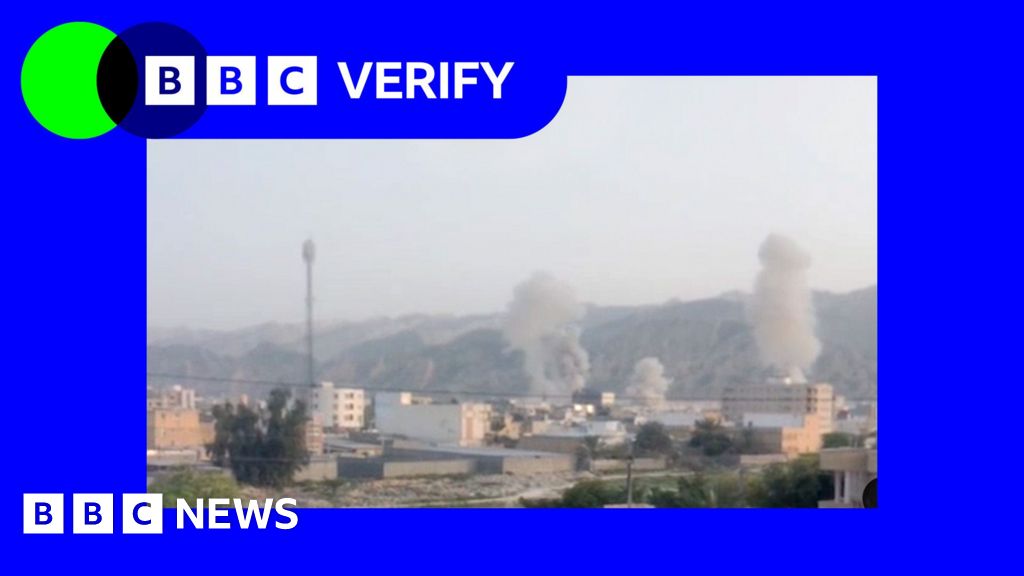
Iran Airstrike Controversy: What Really Happened?
The recent Iran airstrike controversy has sparked a heated debate among international leaders and experts, with many questioning the official narrative of events.
Six weapons experts have contested the US claim that video evidence suggests an Iranian missile could have hit the hall. This development has significant implications for global politics and international relations.
The incident in question occurred on January 8, 2020, when Iran launched a missile strike against two US military bases in Iraq. The attack was a response to the US drone strike that killed top Iranian commander Qasem Soleimani.
The US claimed that the Iranian missile strike was intended to cause maximum damage and loss of life. However, the Iranian government maintained that the strike was a proportionate response to the US aggression.
The US government released video footage that appeared to show an Iranian missile hitting the hall, but the experts argue that the video is inconclusive and does not provide definitive proof of an Iranian missile strike.
The experts point out that the video shows a large explosion, but it does not clearly show the missile hitting the hall.
This lack of clarity has raised questions about the official narrative of events.Background to the Incident
The incident is the latest escalation in a long-standing conflict between the US and Iran.
The two countries have been at odds for decades, with the US imposing economic sanctions on Iran and Iran responding with aggressive rhetoric and military posturing. The killing of Qasem Soleimani was a major flashpoint in the conflict, with Iran vowing to retaliate against the US. The US, on the other hand, maintained that the strike was necessary to prevent an imminent attack on American interests.
The US government has a history of using dubious intelligence to justify military action, and many experts are skeptical of the official narrative of the Iran airstrike.
The experts argue that the US government has a vested interest in portraying Iran as an aggressor and that the video evidence is not conclusive. This skepticism has been fueled by the lack of transparency and accountability in the US government's decision-making process.
The international community is watching the situation closely, with many countries calling for calm and restraint.
The United Nations has urged both sides to avoid further escalation and to engage in diplomatic efforts to resolve their differences.
However, the US and Iran remain at loggerheads, with neither side showing any signs of backing down.The Experts' Assessment
The six weapons experts who contested the US claim are highly respected in their field and have a deep understanding of missile technology and military tactics.
They argue that the video evidence released by the US government is incomplete and misleading, and that it does not provide a clear picture of what happened. The experts point out that the video shows a large explosion, but it does not show the missile hitting the hall.
The experts also argue that the US government's claim that the Iranian missile strike was intended to cause maximum damage and loss of life is not supported by the evidence.
They point out that the Iranian military has a history of precise and calibrated strikes, and that the missile strike on the US military bases was likely intended to be a symbolic gesture rather than a attempt to cause widespread destruction. This assessment is supported by the fact that the Iranian government warned the US of the impending strike, giving the US time to evacuate personnel and minimize casualties.
The experts' assessment has significant implications for the official narrative of the Iran airstrike controversy.
If the experts are correct, then the US government's claim that Iran intended to cause maximum damage and loss of life is not supported by the evidence.
This raises questions about the US government's motives and the accuracy of its intelligence.Why This Matters
The Iran airstrike controversy has significant implications for global politics and international relations.
The incident has raised tensions between the US and Iran, and has sparked a heated debate about the use of military force and the role of intelligence in decision-making. The controversy has also highlighted the importance of transparency and accountability in government decision-making, and the need for independent verification of intelligence claims.
The incident has also raised questions about the role of social media and propaganda in shaping public opinion and influencing government policy.
The US government's use of video footage to support its claim of an Iranian missile strike has been widely criticized, with many arguing that the footage is misleading and incomplete. This has highlighted the need for critical thinking and media literacy in the age of social media and fake news.
The Iran airstrike controversy has also sparked a wider debate about the ethics of military action and the use of force in international relations.
The incident has raised questions about the proportionality of military responses and the need for diplomatic efforts to resolve conflicts peacefully.
This debate is likely to continue in the coming weeks and months, as the international community grapples with the implications of the Iran airstrike controversy.What Happens Next
The Iran airstrike controversy is likely to continue to dominate headlines in the coming weeks and months, as the international community grapples with the implications of the incident.
The US and Iran are likely to continue to engage in a war of words, with each side accusing the other of aggression and hostility. However, there are also signs that both sides are willing to engage in diplomatic efforts to resolve their differences.
The US government has announced that it is willing to engage in talks with Iran, but only if Iran agrees to meet certain conditions.
The Iranian government has also expressed a willingness to talk, but has rejected the US conditions as unrealistic and unfair. The European Union has offered to facilitate talks between the two sides, but it remains to be seen whether these efforts will be successful.
The international community is watching the situation closely, with many countries calling for calm and restraint.
The United Nations has urged both sides to avoid further escalation and to engage in diplomatic efforts to resolve their differences.
The incident has highlighted the need for effective diplomacy and conflict resolution mechanisms, and the importance of transparency and accountability in government decision-making.International Reaction
The international community has reacted with concern and caution to the Iran airstrike controversy.
Many countries have called for calm and restraint, and have urged both sides to engage in diplomatic efforts to resolve their differences. The European Union has offered to facilitate talks between the two sides, and has urged the US and Iran to avoid further escalation.
The United Nations has also played a key role in responding to the incident, with the Secretary-General calling for calm and restraint.
The UN has urged both sides to avoid further escalation and to engage in diplomatic efforts to resolve their differences. The incident has highlighted the importance of the UN in promoting peace and security, and the need for effective diplomacy and conflict resolution mechanisms.
China and Russia have also weighed in on the controversy, with both countries calling for calm and restraint.
China has urged the US and Iran to engage in diplomatic efforts to resolve their differences, while Russia has warned against further escalation.
The incident has highlighted the complex geopolitics of the region, and the need for careful diplomacy and strategic thinking.Diplomatic Efforts
Diplomatic efforts are underway to resolve the Iran airstrike controversy, with the European Union playing a key role in facilitating talks between the US and Iran.
The EU has offered to host talks between the two sides, and has urged the US and Iran to engage in constructive dialogue. However, the talks are likely to be challenging, with both sides having deeply entrenched positions.
The US government has announced that it is willing to engage in talks with Iran, but only if Iran agrees to meet certain conditions.
The Iranian government has also expressed a willingness to talk, but has rejected the US conditions as unrealistic and unfair. The EU has urged both sides to be flexible and to engage in constructive dialogue, but it remains to be seen whether these efforts will be successful.
The incident has highlighted the importance of diplomacy and dialogue in resolving conflicts peacefully.
The international community is watching the situation closely, with many countries calling for calm and restraint. The US and Iran must engage in constructive dialogue and work towards a peaceful resolution of their differences, rather than resorting to further escalation and aggression.
0 Comments:
Post a Comment