


Gulf Targets Exposed: Iran's Shocking Retaliation Plan
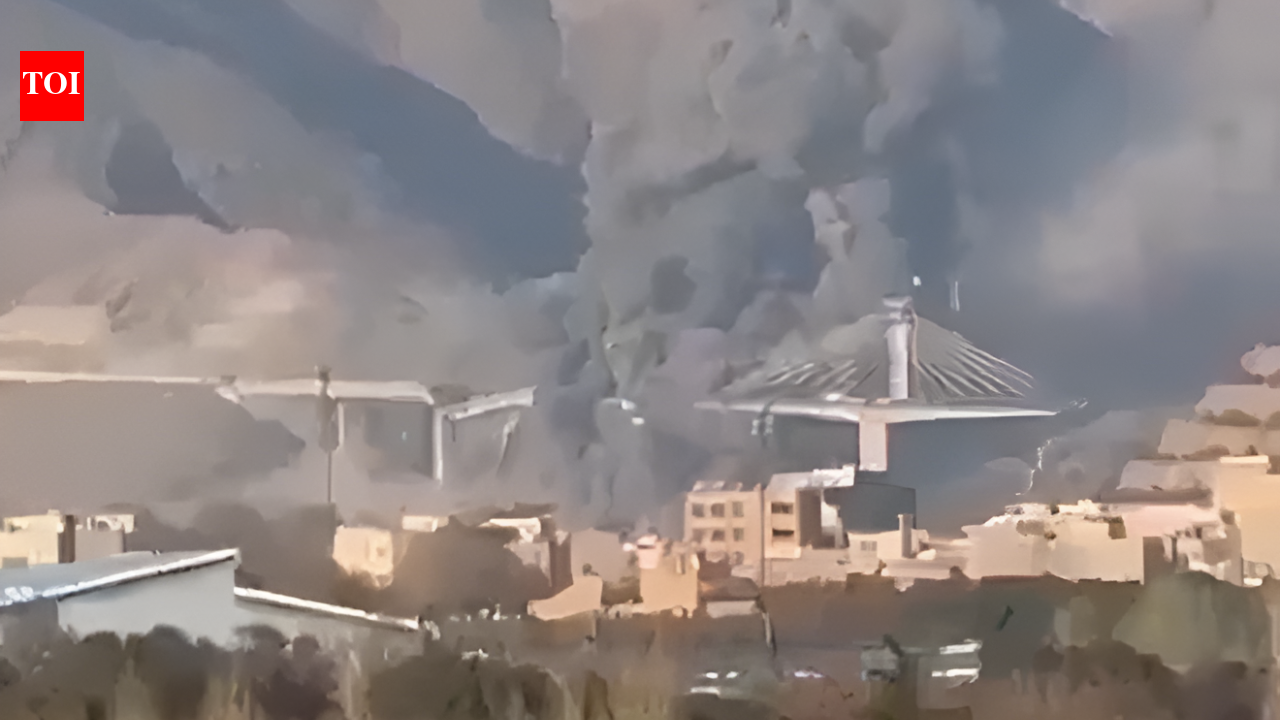
Following US-led strikes on a key bridge near Tehran, Iran is signaling potential retaliation across the Gulf.
The attack, confirmed by President Trump, destroyed Iran's tallest bridge, prompting Tehran to consider a "tit for tat" response. Iranian media have identified strategic bridges in the region as possible targets, indicating a widening conflict.
The US-led strike has raised concerns among Gulf nations, with many calling for restraint and diplomacy to avoid further escalation. The attack on the bridge has been seen as a significant escalation of tensions between the US and Iran, with many fearing a potential war.
Iranian officials have vowed to respond to the attack, with some calling for a strong and decisive response.
The potential targets identified by Iranian media include key bridges and infrastructure in the Gulf region, including those in Saudi Arabia, the UAE, and Bahrain. These targets are critical to the region's economy and security, and an attack on them could have significant consequences.
The US and its allies have been working to strengthen their military presence in the region, in part to counter the growing threat from Iran.Background to the Conflict
The conflict between the US and Iran has been escalating for months, with both sides engaging in a war of words and proxy battles in the region.
The US has imposed significant sanctions on Iran, targeting its oil exports and economy, while Iran has responded with attacks on US allies and interests in the region. The latest strike on the bridge near Tehran has raised the stakes, with many fearing a potential war.
The US has been working to build a coalition of allies in the region to counter the Iranian threat, with Saudi Arabia, the UAE, and Bahrain among those joining the effort.
The coalition has been working to strengthen its military presence in the region, with a focus on protecting key infrastructure and shipping lanes. Iran has responded by building its own alliances in the region, including with militant groups and other nations.
The conflict has significant implications for the global economy, with the Gulf region critical to the world's oil supplies.
An attack on key infrastructure in the region could have significant consequences, including higher oil prices and potential shortages.
The US and its allies have been working to mitigate these risks, with a focus on protecting key shipping lanes and infrastructure.The Iranian Retaliation Plan
Iranian media have identified strategic bridges in the region as possible targets, including those in Saudi Arabia, the UAE, and Bahrain.
These targets are critical to the region's economy and security, and an attack on them could have significant consequences. The Iranian plan is seen as a "tit for tat" response to the US-led strike on the bridge near Tehran.
The Iranian retaliation plan is likely to involve a range of tactics, including cyber attacks, missile strikes, and sabotage. Iran has a significant capability in these areas, with a large and well-equipped military and a network of militant allies in the region.
The US and its allies have been working to strengthen their defenses against these threats, with a focus on protecting key infrastructure and personnel.
The Iranian plan is also likely to involve a significant propaganda effort, with a focus on building support among Iranian citizens and allies in the region. Iranian media have been working to build a narrative around the US-led strike, portraying it as an act of aggression and a threat to regional security.
The Iranian government has also been working to build support among other nations, including China and Russia.Why this Matters
The potential conflict between the US and Iran has significant implications for the global economy and security.
The Gulf region is critical to the world's oil supplies, and an attack on key infrastructure in the region could have significant consequences. The conflict also has significant implications for the region's security, with many fearing a potential war.
The US and its allies have been working to mitigate these risks, with a focus on protecting key shipping lanes and infrastructure.
However, the conflict is complex and multifaceted, with many different players and interests involved. The Iranian retaliation plan is likely to involve a range of tactics, including cyber attacks, missile strikes, and sabotage.
The conflict also has significant implications for the global balance of power, with the US and Iran competing for influence in the region. The US has been working to build a coalition of allies in the region, while Iran has been building its own alliances with militant groups and other nations.
The conflict is likely to have significant and far-reaching consequences, and it is critical that all parties work to find a peaceful resolution.What Happens Next
The situation in the Gulf region is highly volatile, with many different players and interests involved.
The US and its allies have been working to strengthen their military presence in the region, while Iran has been building its own capabilities and alliances. The potential conflict between the US and Iran is likely to escalate in the coming days and weeks.
The US and its allies have been working to prepare for a potential conflict, with a focus on protecting key infrastructure and personnel.
The US has also been working to build a coalition of allies in the region, including Saudi Arabia, the UAE, and Bahrain. Iran has responded by building its own alliances with militant groups and other nations.
The international community has been calling for restraint and diplomacy to avoid further escalation. The UN and other international organizations have been working to build a peaceful resolution to the conflict, with a focus on dialogue and negotiation.
However, the situation is complex and multifaceted, and it is critical that all parties work to find a peaceful resolution to avoid a potential war.Global Implications
The potential conflict between the US and Iran has significant implications for the global economy and security.
The Gulf region is critical to the world's oil supplies, and an attack on key infrastructure in the region could have significant consequences. The conflict also has significant implications for the region's security, with many fearing a potential war.
The US and its allies have been working to mitigate these risks, with a focus on protecting key shipping lanes and infrastructure.
However, the conflict is complex and multifaceted, with many different players and interests involved. The Iranian retaliation plan is likely to involve a range of tactics, including cyber attacks, missile strikes, and sabotage.
The conflict also has significant implications for the global balance of power, with the US and Iran competing for influence in the region. The US has been working to build a coalition of allies in the region, while Iran has been building its own alliances with militant groups and other nations.
The conflict is likely to have significant and far-reaching consequences, and it is critical that all parties work to find a peaceful resolution.Conclusion
The potential conflict between the US and Iran is a highly complex and volatile situation, with many different players and interests involved.
The US-led strike on the bridge near Tehran has raised the stakes, with Iran signaling a potential retaliation across the Gulf. The situation is critical, and it is essential that all parties work to find a peaceful resolution to avoid a potential war.
The US and its allies have been working to prepare for a potential conflict, with a focus on protecting key infrastructure and personnel.
Iran has responded by building its own capabilities and alliances, and the situation is likely to escalate in the coming days and weeks. The international community has been calling for restraint and diplomacy to avoid further escalation, and it is critical that all parties work to find a peaceful resolution.
The conflict has significant implications for the global economy and security, and it is essential that all parties work to mitigate these risks.
The US and Iran must work to find a peaceful resolution to the conflict, with a focus on dialogue and negotiation. The situation is highly volatile, and it is critical that all parties work to avoid a potential war and find a peaceful resolution to the conflict.
0 Comments:
Post a Comment